Thought we left microplastics behind us in “Are our clothes in wastewater?” Yeah I thought so too…But today we’re back with more on the little plastic bad boys that regularly appear in my nightmares (a bit dramatic, I know, but it’s thesis crunch time…I’m feeling it).
These itty-bitty plastics come up again today because we’re addressing the role of regulatory frameworks in wastewater engineering and in reaching the SDGs by 2030. I think microplastics have a reasonably big role to play. Now, I’ve covered the SDGs in my last two blogs, so I won’t explain in details today but let’s quickly home in (in pictorial form) on the goals I want to focus on.
So how does wastewater and microplastics fit in to this discuss on regulations and the SDGs?
Let’s start with a recap on the current ‘sitch’ on microplastics that I covered in my blog two weeks ago:
- Wastewater treatment plants are a point source for microplastics into the environment.
- Wastewater treatment volumes are large, so microplastic pollution to waterways is high.
- Many microplastics do get removed but can still end up in the environment (via landfill or biosolids application).
- Microplastics are not a great thing to have chillin’ in the environment – studies have shown that they can have some pretty nasty impacts.
We can pretty clearly see that microplastics can impact both life below water and life on land. We don’t yet have much research on the impact on land, but we know damn well (from findings from numerous studies) that microplastics in aquatic ecosystems are not good. Goal 14 targets specifically address plastic debris in oceans and implementing legal frameworks to meet this aspect of a sustainable future.
We also can’t forget that most microplastics in wastewater come from consumer products (from cleansing products to clothing) or industrial uses so it is also very important that SDG 12 is brought into the picture too. But we’ll come back to this a little later.
Let’s get cracking on my thoughts on regulation because I know I’m going to get carried away.
Question número uno: Would microplastic regulations targeting wastewater treatment be effective?
Hmmm, I think not. Firstly, legislation needs to be specific and we just don’t know enough about microplastics at this stage to implement specific discharge limits – like, do you group all microplastics together or specify the polymer type? And even if we did know exactly what microplastics there were, there are a lot! Eww, no, that’s a headache in itself. Stipulations on removal efficiency won’t really help the issue either because it will just divert microplastics into sludge – another place we don’t want them to be.
Okay, so don’t regulate at the wastewater treatment plants. What about regulating the products where microplastics originate? Oh yep, this is where SDG 12 starts to kick in. Let’s talk about a little bit of responsible production. Yes, all producers of goods should be considering the entire lifecycle of their products. This 100% includes products that contain primary microplastics or will produce secondary microplastics.
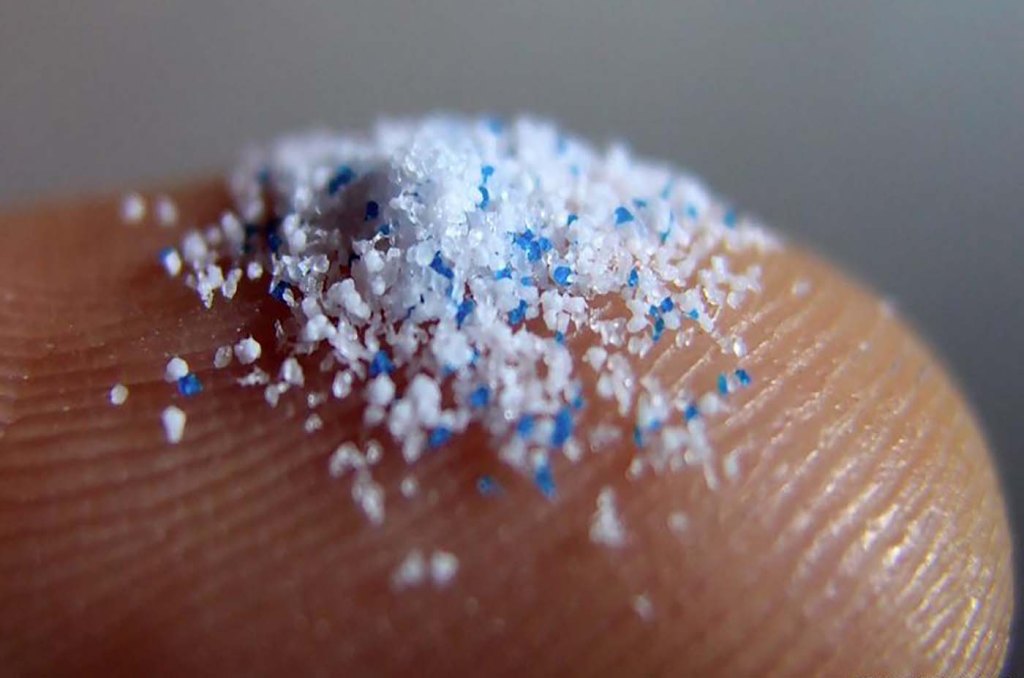
This is still not a simple thing to do. Like I said, there are a lot of different types of microplastics originating from a multitude of sources. Global governments have kinda made tracks towards this with what they saw as an “easy” microplastics to deal with… Microbeads (you know, the kind we used to scrub our face with?).While other countries went for a ban, Australia opted for a voluntary phase-out, promising to introduce a ban if the phase-out period was unsuccessful by July 2018. Well it’s now September 2019. Does that mean the voluntary phase-out stopped the use of all microbeads in Australia? Unfortunately, not. The government deemed that most had been removed so there was no requirement for a ban, and they would continue monitoring. While that’s fair if introducing a regulation included a lot of work but with this approach, I can just foresee a lapse in monitoring and producers sneaking microplastics back into products or using microplastics through loop-holes in the framework.
One of these loopholes is that that they called for removal of ‘rinse-off’ microplastics. This ambiguous terminology has spiked much debate, not just in Australia, regarding what exactly that covered. Flora and Fauna International developed some very important (and clear) specifications for the proposed ban which should be adopted when rolling out such a regulation.
Source: Avada Environmental
With that said, microbeads are only a small contributor to microplastics in wastewater. Fibres are another hurdle and again where clear specifications are required. Does the regulation requirement fall into the clothing manufacturer space or the washing machine manufacturer space? Or both? Or neither? Is it up to the consumer to make choices that limit their microplastics pollution? Do we limit the number of microfibres each person is allowed to release to wastewater each day? I’m all about some personal accountability but that’s pipe dream (get it?), how on earth would we ever measure that?
See? It’s a tricky space.
So maybe we’re not quite at a stage where we can merely implement a few regulations and launch ourselves towards gold stars in achieving SGDs 12, 14 and 15. There is a lot of work behind it. But there is definitely room for a framework to be developed that at least makes strides towards them.
So, what do I think a practical framework looks like?
In my mind, wastewater treatment plants aren’t completely off the hook. They are the point source to the environment, so they are critical in information gathering. For any regulatory framework to be effective, we’ve really got to know some specifics. What microplastics are there? Where are they coming from? What harm are they causing?
Then, we can have a combined approach. Regulations can be introduced to stop pathways that clearly link microplastics to wastewater (like the microbead approach – but just a bit more specific and an actual regulation that all producers must comply with). And, of course, we can’t forget the importance of education in this framework. Most people just aren’t aware of what leaves their house to be dealt with at a wastewater treatment plant. This critically needs to be addressed! Education is truly at the heart of achieving all SGDs.
Awesome read for more on the challenges facing microplastic regulation with a freshwater focus: Freshwater Microplastics: Challenges for Regulation and Management

 WATER WE WASTING?
HAALLEEY!! SO GOOD. I appreciate that you focus on your area of expertise. It is so interesting how you home in on solutions for regulating microbeads in a way that illustrates other challenges in regulating microplastics in general.
LikeLike